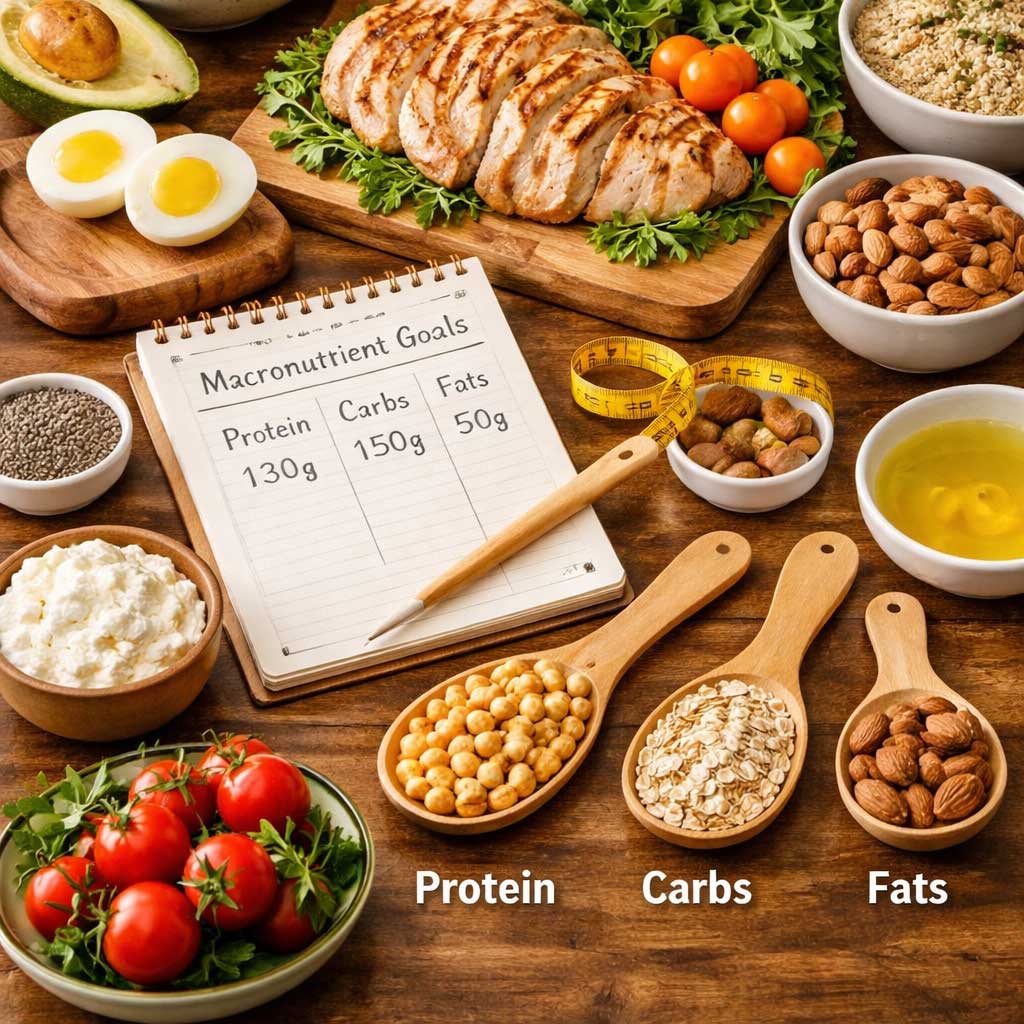
Macro Calculator Guide: How to Calculate Macros for Fat Loss
When people begin a weight loss journey, the first concept they usually encounter is calorie counting. While calories are important, they are only part of the story. The composition of those calories—known as macronutrients or macros—can significantly influence how your body responds to a calorie deficit.
A macro calculator helps determine how much protein, carbohydrates, and fat you should consume each day based on your goals, body composition, and activity level.
Understanding how to calculate and balance your macros can make dieting more effective, sustainable, and healthier overall.
What Are Macronutrients?
Macronutrients are the nutrients your body needs in large quantities to function properly.
The three primary macronutrients are:
- Protein
Supports muscle repair, immune function, and hormone production. - Carbohydrates
Provide the body’s primary source of energy. - Fat
Essential for hormone production, brain health, and nutrient absorption.
Each macronutrient contains a specific number of calories:
- Protein: 4 calories per gram
- Carbohydrates: 4 calories per gram
- Fat: 9 calories per gram
A macro calculator determines how many grams of each macronutrient you should consume daily based on your total calorie target.
Why Macros Matter for Weight Loss
A calorie deficit determines whether you lose weight, but macro balance influences:
- hunger levels
- muscle retention
- metabolic health
- energy levels
- workout performance
Two people could eat the same number of calories but experience different results depending on their macro distribution.
For example:
Diet A
- 40% protein
- 30% carbs
- 30% fat
Diet B
- 15% protein
- 60% carbs
- 25% fat
Even though both diets contain the same number of calories, Diet A may better support fat loss because higher protein intake helps preserve muscle mass and improve satiety.
Step 1: Determine Your Daily Calorie Needs
Before calculating macros, you need to know how many calories your body burns daily.
This number is known as Total Daily Energy Expenditure (TDEE).
TDEE includes:
- Basal metabolic rate (calories burned at rest)
- Calories burned during physical activity
- Calories burned digesting food
A calorie deficit calculator can estimate your TDEE and determine how many calories you should consume to lose weight.
For example:
Daily calorie burn: 2200 calories
Target calorie intake: 1700 calories
This creates a 500 calorie deficit, which typically leads to about one pound of fat loss per week.
Step 2: Set Your Protein Intake
Protein is the most important macronutrient for fat loss.
Higher protein intake helps:
- preserve muscle mass
- increase satiety
- boost metabolism slightly
- support recovery from exercise
Many nutrition experts recommend:
0.7–1 gram of protein per pound of body weight
For example:
Weight: 180 lbs
Protein intake: 130–180 grams per day
Protein should generally be the first macro you calculate.
Step 3: Determine Fat Intake
Dietary fat is essential for hormone production and overall health.
Most macro calculators recommend that fat account for:
20–35% of total calories
For someone consuming 1800 calories per day:
25% of calories from fat = 450 calories
Since fat contains 9 calories per gram:
450 ÷ 9 = 50 grams of fat per day
Step 4: Fill Remaining Calories with Carbohydrates
Once protein and fat are set, the remaining calories can come from carbohydrates.
Carbohydrates are the body’s preferred energy source, especially for exercise.
Using the previous example:
Daily calories: 1800
Protein: 160g = 640 calories
Fat: 50g = 450 calories
Total so far: 1090 calories
Remaining calories:
1800 − 1090 = 710 calories
Carbohydrates contain 4 calories per gram:
710 ÷ 4 = 178 grams of carbs
Your macros would look like:
- Protein: 160g
- Fat: 50g
- Carbs: 178g
Why Protein Is So Important During Weight Loss
One of the biggest risks during dieting is muscle loss.
When calories are restricted, the body may break down muscle tissue for energy if protein intake is insufficient.
Higher protein diets help protect lean mass while promoting fat loss.
Protein also has the highest thermic effect of food, meaning your body burns more calories digesting protein compared to carbohydrates or fat.
Common Macro Tracking Mistakes
Many people struggle with macro tracking because of simple mistakes.
- Not measuring portions
Estimating portion sizes often leads to undercounting calories. - Ignoring hidden calories
Sauces, oils, and beverages can add significant calories. - Setting protein too low
Low protein intake makes dieting harder and increases muscle loss risk. - Overcomplicating the process
Macro tracking should be used as a guide rather than a rigid rule.
How HealthGenius Simplifies Macro Tracking
HealthGenius provides tools that help users calculate both calorie targets and macro distribution based on their personal data.
Instead of guessing what your nutrition should look like, you can create a structured plan tailored to your goals.
By combining calorie tracking with macro optimization, HealthGenius helps users build a smarter approach to nutrition and weight management.
Final Thoughts
A calorie deficit drives weight loss, but macros determine how your body responds during the process.
Using a macro calculator allows you to:
- preserve muscle mass
- maintain energy levels
- control hunger
- optimize body composition
Understanding macros is one of the most powerful tools for building a sustainable and effective nutrition plan.